
Atrial flutter
-
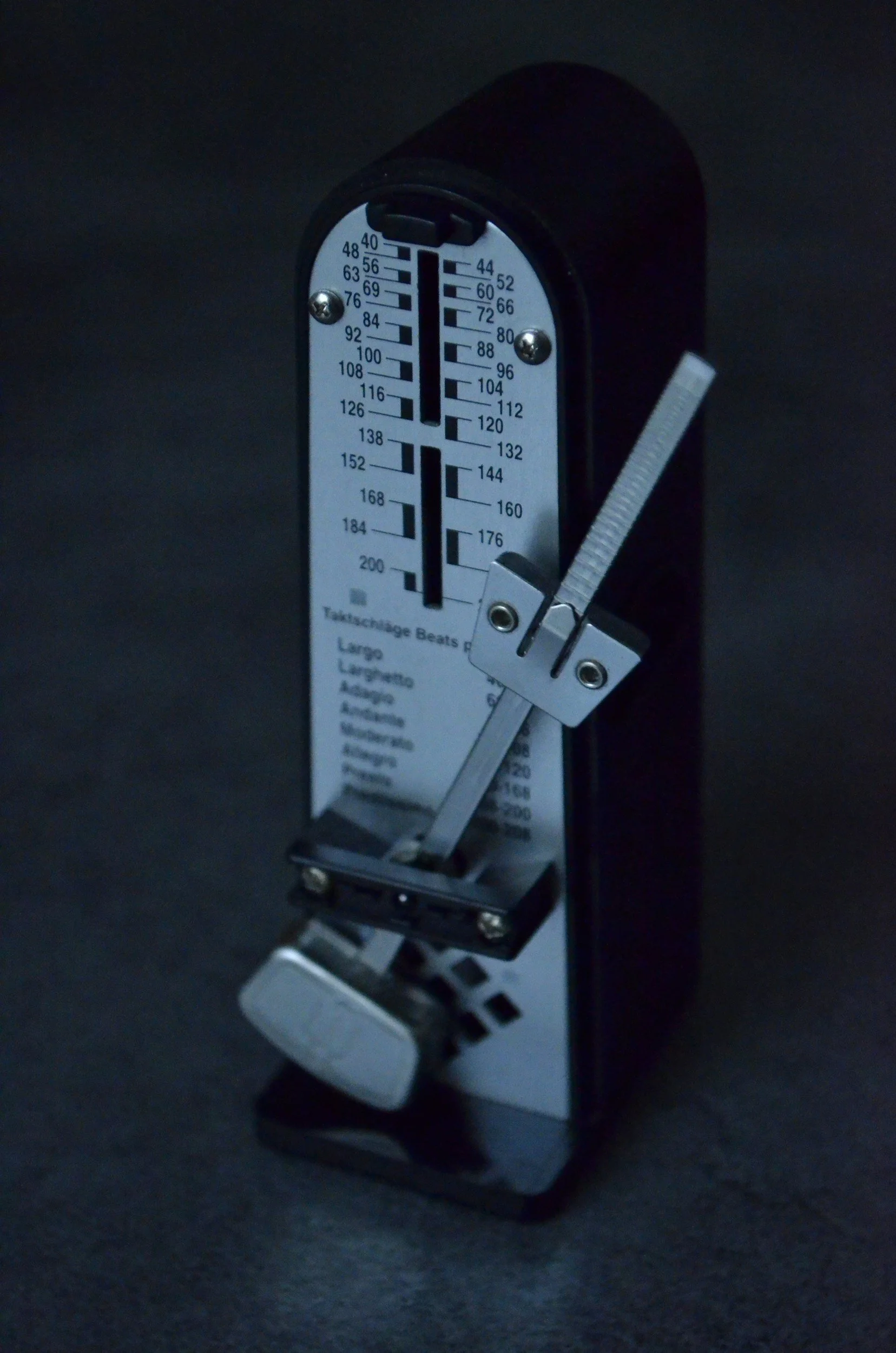
Heart stuck at the same rate
Have you noticed your heart beating at a fixed, fast rate - perhaps 120, 150, or even 200 beats per minute? Or maybe your fitness watch, blood pressure monitor, or heart rhythm device has picked up a pattern of unusually regular heart rates that seem to switch abruptly between speeds? These could be signs of atrial flutter, a common type of heart rhythm disorder.
What is atrial flutter? Atrial flutter occurs when the top chambers of your heart (the atria) beat much faster than usual - often as fast as 240 beats per minute or more. Instead of contracting normally, the atria “flutter,” sending rapid electrical signals to the bottom chambers (the ventricles). The ventricles may respond to every second, third, or fourth signal, resulting in a pulse that feels steady but is faster than normal.
For example:
If your atria are fluttering at 240 bpm, your pulse might settle at 120 bpm (responding to every other beat).
If the ventricles respond to every fourth beat, your pulse could appear deceptively normal at 60 bpm.
Atrial flutter can cause your heart rate to appear unusually regular and fixed for hours or even days. You might notice sudden switches between different fixed rates, such as jumping from 60 bpm to 120 bpm and back again. While this can sometimes feel like a normal heartbeat, it’s important to recognise that the underlying rhythm is not typical.
How is it detected? Modern devices like fitness watches, heart rhythm monitors, and even some blood pressure machines can pick up these patterns. If you’ve spotted a persistent, fixed heart rate on your device - especially if it changes abruptly - it’s worth discussing with a specialist.
-

It can tire you and your heart out
What’s the risk of having a fast heart rate all the time?
A heart that beats at a fixed, very fast rate for a long time can often leave you feeling exhausted. You might notice breathlessness or palpitations - that uncomfortable awareness of your heart pounding in your chest.
Even if you don’t experience obvious symptoms, the heart muscle can sometimes become “stunned” because it struggles to relax properly. This can happen even at normal heart rates.
At our cardiology clinic, we recommend a screening ultrasound scan of the heart to check for these issues when we diagnose atrial flutter. It’s especially important to address heart rhythm disturbances if your heart muscle isn’t functioning as well as it should.
In some cases, rapid fluttering in the heart’s upper chambers can prevent blood from being pumped out efficiently with each heartbeat. When blood flow slows, it increases the risk of clotting. If a clot forms and travels through your circulation, it can lead to serious complications, such as a stroke.
-

Sudden release
Atrial flutter is one of the more treatable forms of heart rhythm disturbance. As an electrophysiologist, it can also be very satisfying to ablate. Often, we see the rhythm running and are able to map the short circuit using a computer-generated 3D model of the heart whilst it is in flutter. Once we make the map, we plan an ablation over a vulnerable part of the circuit and apply heat energy. The best part is when this converts the rhythm back to the normal heartbeat.
The relief is instant.